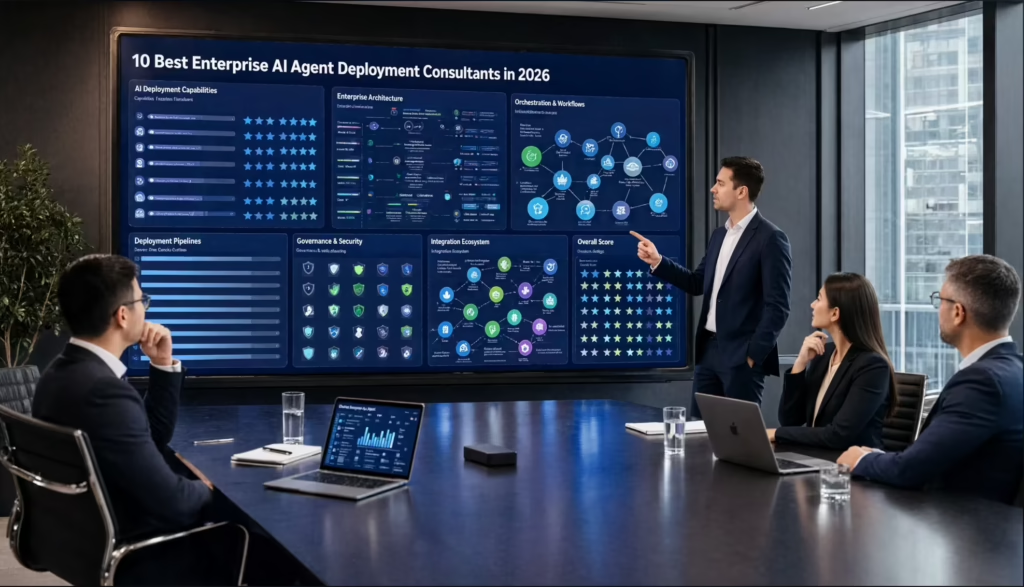
10 Best Enterprise AI Agent Deployment Consultants in 2026
Compare the 10 best enterprise AI agent deployment consultants in 2026 on integration depth, AgentOps maturity, and time to production. Build your shortlist.

Compare the 10 best enterprise AI agent deployment consultants in 2026 on integration depth, AgentOps maturity, and time to production. Build your shortlist.
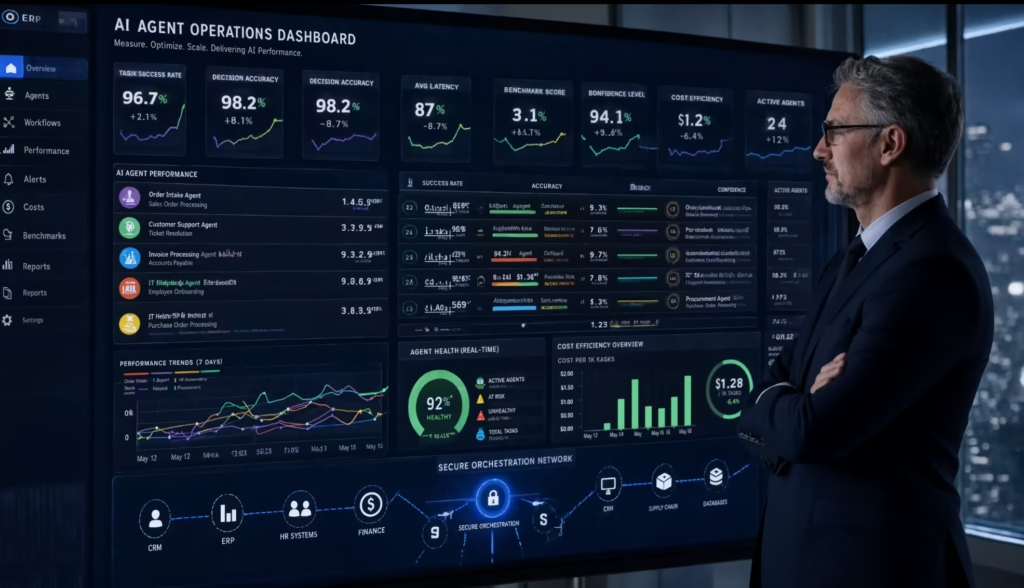
Enterprise AI agent programs that fly on the wrong metrics make expensive decisions on incomplete evidence. These programs attempt to expand agent authority when escalation
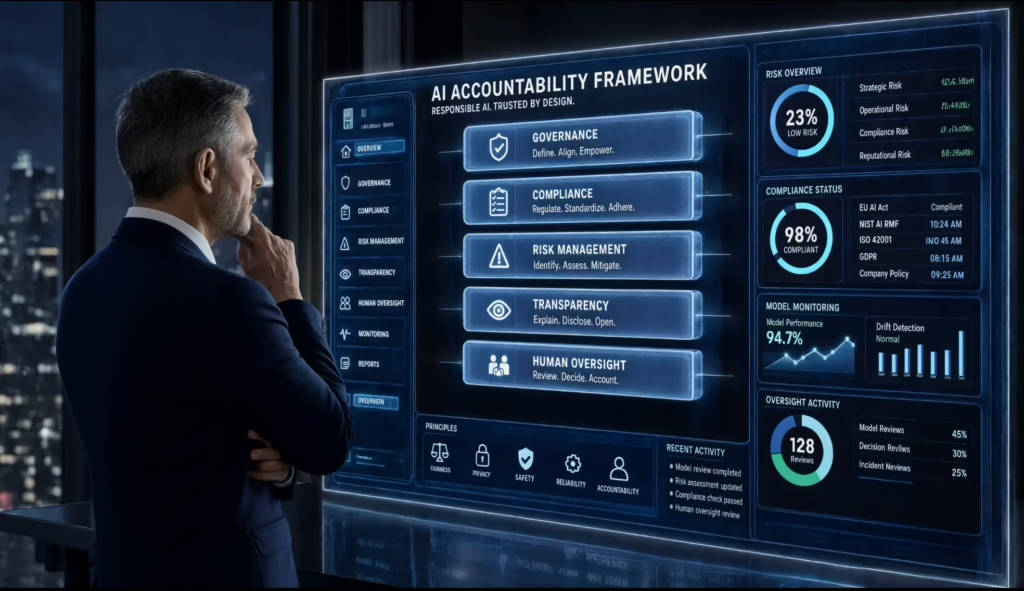
AI is running inside your organization right now, powering decisions, surfacing recommendations, and automating workflows. The investment is real. The results are visible. But one

AI pilots are running inside most large enterprises right now. The demos look compelling. The business case also has board-level support. But the question that

Gartner reports that through 2026 and 2027, at least 40% of enterprise AI deployments will fail to make it to production. More than model performance,

AI agents are increasingly penetrating enterprise systems, while Salesforce sits at the center of most customer workflows. Teams either wire agents to Salesforce through custom
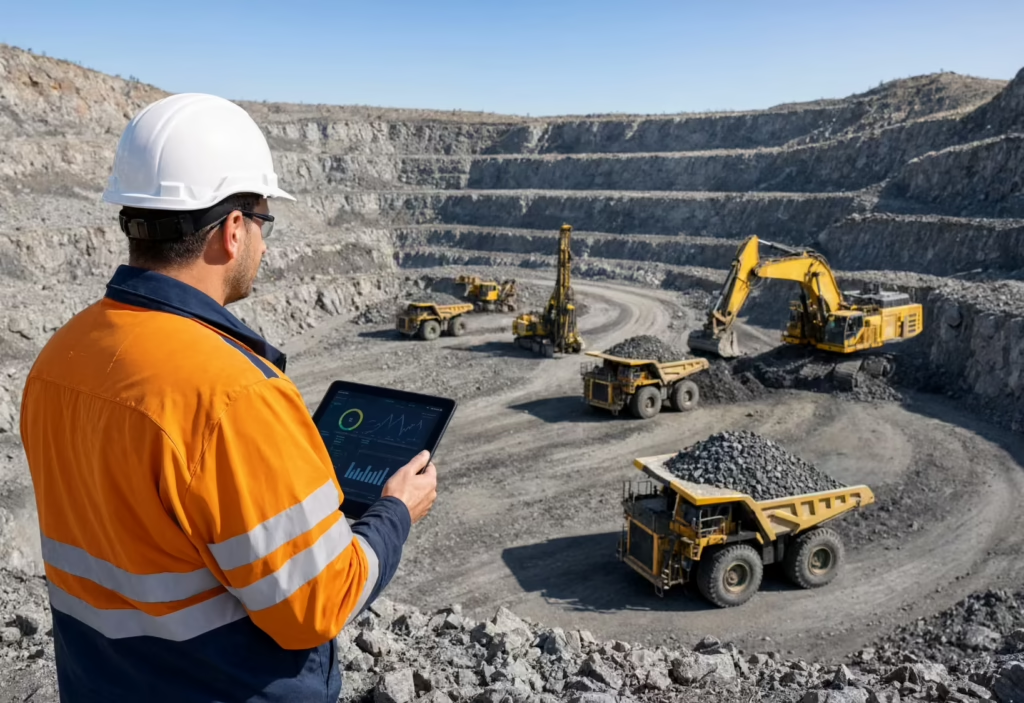
A single unplanned failure of a primary crusher or haul truck fleet at a large open-pit mine can cost an operation anywhere from fifty thousand

Enterprise agentic AI programs are stalling at the procurement layer. Capgemini reports that only 2% of organizations have deployed AI agents at scale, and another

Enterprise operations are generating more data, more decisions, and more process complexity than human teams can manage at scale. Access to information isn’t a problem
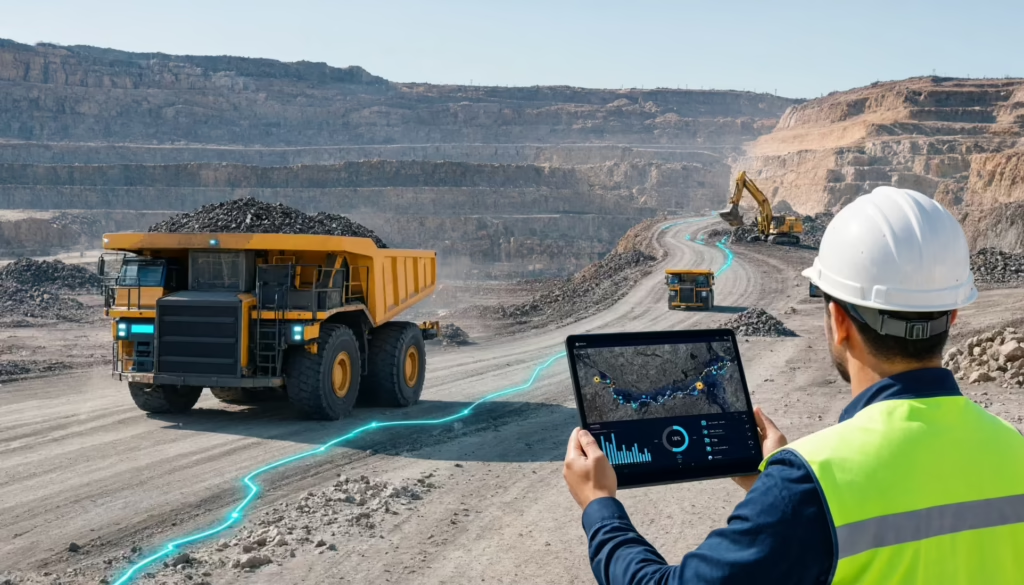
The global fleet of autonomous haul trucks has roughly quadrupled in four years, surpassing 3,800 units across major mining operations. Rio Tinto alone runs more
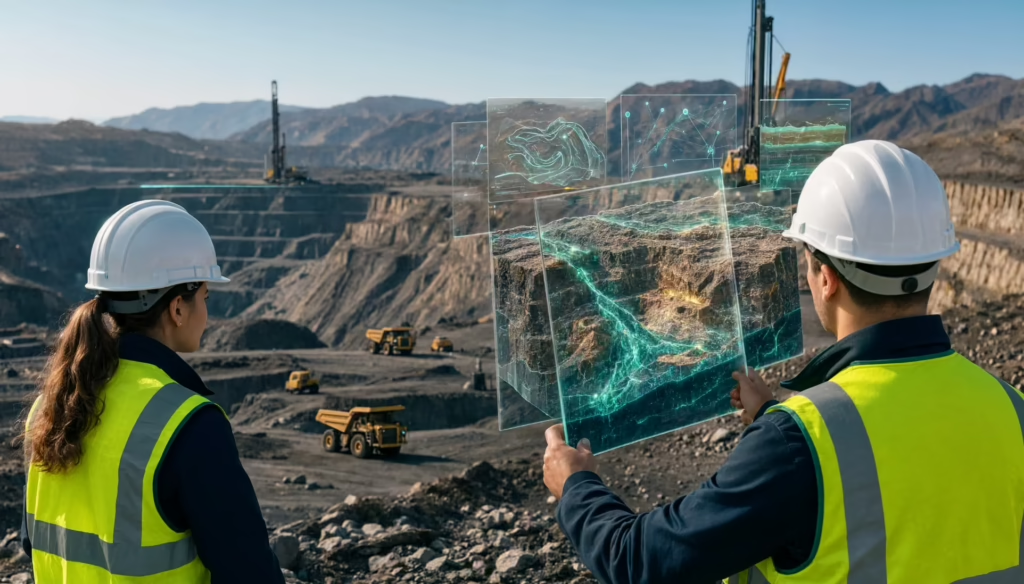
Exploration geologists drill hundreds of holes before finding a single economically viable deposit, and the global average success rate for greenfield mineral exploration sits somewhere
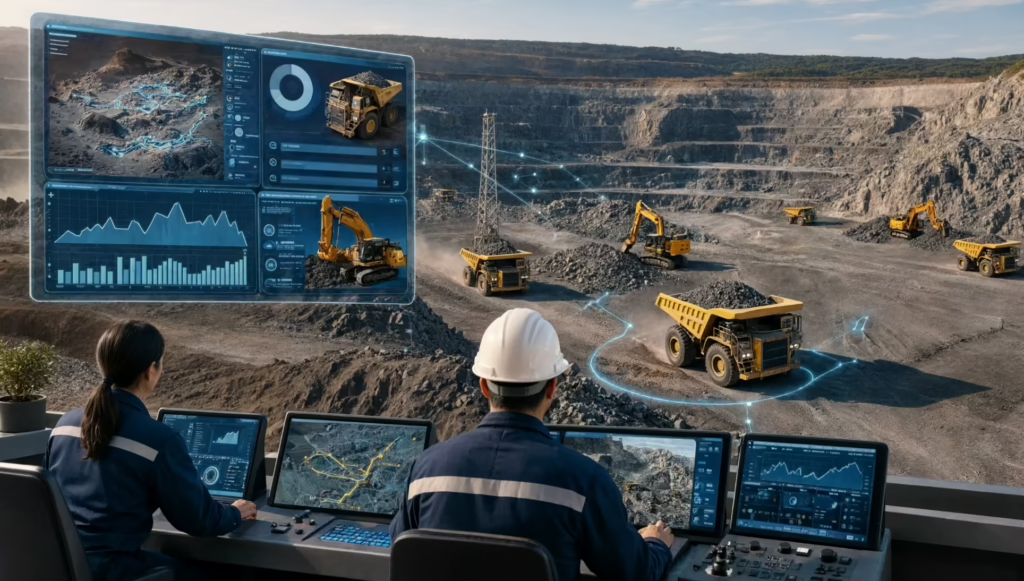
Mining leaders face a sharper test in 2026. Critical minerals demand is climbing, ESG scrutiny is tightening, and aging fleets are pushing maintenance budgets higher.